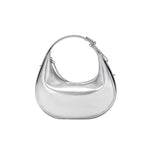
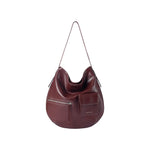
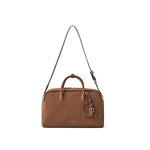
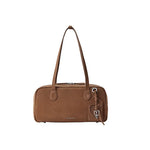
Best Genuine Leather Bags That Last (Buyer Guide)
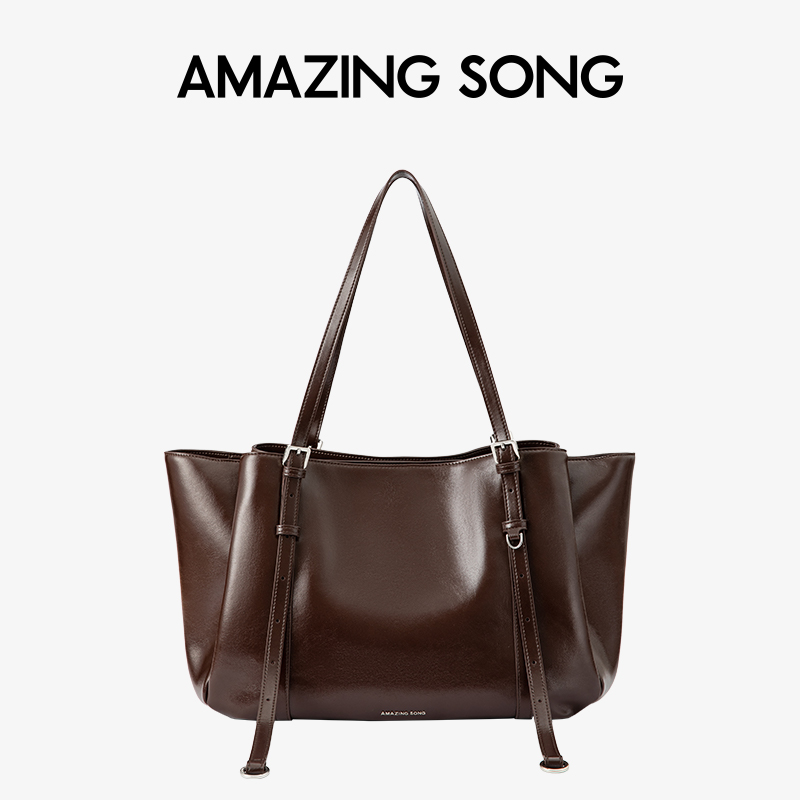
Buying a leather bag for “long-term use” isn’t about finding the most expensive logo or the loudest genuine leather tag.
It’s about choosing a bag that can survive what actually kills handbags: corners scraping the subway turnstile, straps yanking when you’re late, zippers getting abused one-handed, and edges flexing thousands of times.
This guide is built for that reality. You’ll get a quick framework you can apply to any product page (including the ones that are annoyingly vague), plus a short list of genuinely worth-it picks—including a couple from Amazing Song.
Best genuine leather bags: quick picks by lifestyle
These aren’t “the only bags you should buy.” They’re archetypes—so you can match the bag to your daily wear-and-tear.
-
Everyday crossbody (commute-proof): Look for top-grain or full-grain leather, reinforced strap anchors, and hardware that doesn’t feel hollow.
-
Work tote (laptop + daily haul): Prioritize structure, a reinforced base, quality zipper/closure, and comfortable handles.
-
Going-out shoulder bag (small but high touch): Edge finishing + hardware matters most here—this bag gets handled constantly.
-
Travel weekender/boston bag: Thick leather, stout hardware, and repairable construction (not glued-only seams).
Want a real product page to test your “durability eye” right now? Start with the Amazing Song Donut Square Bag—its listing includes the kind of specs (materials, weight, hardware) many brands skip.
Genuine leather vs top grain vs full grain (and why the label can mislead)
Let’s get one thing straight: “genuine leather” is real leather—but it’s often a category label, not a quality guarantee.
As Carl Friedrik puts it in their top-grain vs genuine leather guide (2025), the term “genuine leather” doesn’t equate to quality. It may refer to lower-cost leather layers or heavily finished leather unless the brand clearly states the grade.
Here’s the decision-friendly version:
-
Full-grain leather: The surface grain is left intact, which usually means stronger fiber structure and the best chance at a beautiful, natural patina.
-
Top-grain leather: Still high quality, but the surface is sanded/buffed for a cleaner look. It can be hardwearing, but generally won’t patina the same way full-grain does.
-
Genuine leather: Often used as a broad label. Yukon Bags’ breakdown of full-grain vs top-grain vs genuine leather (2026) recommends treating “genuine leather” as insufficient information unless the listing spells out the layer and finish.
Pro Tip: If the product page only says “genuine leather,” look for the next layer of truth: top-grain/full-grain language, finish type, and construction details. If those are missing too, you’re buying vibes—not longevity.
The one label you should avoid for long-term use
If you see bonded / reconstituted leather, treat it like a hard no for a daily bag.
BuyLeatherOnline explains in their bonded leather vs real leather guide (2025) that bonded leather is made from leather scraps mixed with binders on a backing—more composite than hide—and it’s prone to cracking and peeling compared to real leather.
What to look for in a quality leather handbag (the 10-minute durability check)
If you want a bag that lasts 5+ years, construction is the make-or-break—even more than the leather grade.
Here’s what to scan for (in this order) when you’re evaluating a bag online or in person.
1) Stress points: strap anchors, handle bases, corners, and the bottom
These areas take the most force. A great bag doesn’t just look good; it’s engineered so the leather isn’t doing all the work.
Look for:
-
Visible reinforcement (extra stitching, layered leather, rivets used well, not as decoration)
-
Strap anchors that are wide and stitched into a panel—not attached like an afterthought
-
Corner construction that looks structured, not flimsy
2) Stitching: consistent, tight, and not “decorative only”
Even stitches = consistent tension. Inconsistent stitches (or big gaps) = seams that will loosen first.
Scan for:
-
Even spacing along load-bearing seams
-
No loose threads at corners or handle bases
-
Stitching that continues through stress points instead of stopping early
3) Edge finishing: the silent deal-breaker
Edges are where bags age fast—especially on straps and flap corners.
If a bag uses edge paint, you want it smooth and flexible, not thick and plastic-looking. Poor edge paint is one of the first things to crack.
Hoplök Leather explains in their edge paint vs burnishing explainer (2026) that edge paint can crack and peel as leather flexes (especially at bend points), while burnished edges won’t peel—but can gradually dull.
What to look for in photos:
-
Close-ups of strap edges and corners (brands that show this usually have nothing to hide)
-
No bubbling, rough fibers, or thick glossy coating on edges
4) Hardware: material and finish matter more than the color
A bag can be “real leather” and still fail because the hardware oxidizes, flakes, or snaps.
Weaver Leather Supply notes in their hardware finishes guide (2025) that solid brass and stainless steel are strong, corrosion-resistant choices, while zinc hardware is generally less strong and better suited to lower-stress use.
Practical buyer move:
-
If the listing tells you the hardware material, that’s a green flag.
-
If it doesn’t, look for close-up photos and avoid anything that looks lightweight or hollow.
5) Lining and interior: the part you touch every day
A cheap lining can shred long before leather looks worn—and once the inside is torn, the whole bag feels “done.”
Look for:
-
Smooth stitching at pocket seams
-
No flimsy mesh pockets unless it’s a sport/travel bag
-
Zippers that look substantial and glide in video/UGC
How to choose a leather bag that lasts (based on your real life)
Before you buy anything, answer these four questions:
-
What’s your daily carry? (phone, keys, wallet, sunglasses, water bottle, iPad, makeup bag)
-
How long is your “bag-on-body” time? (all-day vs occasional)
-
What’s your commute like? (walking, subway, bike, car)
-
What’s your tolerance for weight? (some leather bags age beautifully… and feel like gym equipment)
If you’re buying online, your #1 pain point is usually capacity. If the brand doesn’t show “what fits,” that’s not a minor missing detail—it’s a return waiting to happen.
Online buying checklist: how to verify quality and authenticity
You don’t need to be a leather expert. You need a repeatable process.
Look for these details on the product page
-
Leather type clearly stated (full-grain/top-grain) rather than only “genuine leather”
-
Hardware material (even if it’s not luxury-grade, transparency matters)
-
Weight and strap drop/strap length
-
Multiple angles, plus close-ups of corners and edges
-
A clear return policy (and an easy way to initiate a return)
Amazing Song includes a clear returns policy on the Donut Square Bag page: returns within 30 days for most new/unopened items, with return shipping covered if there’s a brand-side error (like defective/incorrect items).
⚠️ Warning: If a product page is vague about materials and vague about returns, you’re being asked to take all the risk.
Recommendations: genuine leather bags worth buying (organized by use case)
Because “best” depends on your life, these picks are grouped by how you’ll actually use the bag.
1) Everyday city crossbody (the one you’ll grab 300 days a year)
Buy this style if: you commute, you walk a lot, and you want hands-free without looking like you’re wearing travel gear.
What makes it last: top-grain or full-grain leather, reinforced strap anchors, smooth edge finishing on the strap, and hardware that won’t flake.
Amazing Song pick: The Amazing Song Donut Square Bag is an everyday crossbody candidate with top-grain cowhide, a 30–61 cm adjustable strap drop, and a light carry weight (listed at 395–410g depending on color). It also states zinc alloy hardware and a fabric lining, which is useful transparency when you’re buying online.
If you want a slightly more slouchy everyday shape, explore the Donut line—start with the Amazing Song Donut Hobo (Small) if you prefer a softer silhouette.
2) Work tote (laptop, planner, snacks, your whole life)
Buy this style if: you carry more than the “cute essentials” and you don’t want your bag collapsing into a sad leather puddle.
What makes it last: a reinforced base, structured panels, strong handles, and a closure system that’s not purely decorative.
What to prioritize when shopping:
-
Base feet or reinforced bottom panel
-
Handle drop that works over a coat
-
Interior organization that won’t rip
Browse a range of silhouettes via the Amazing Song all bags collection and use the durability check above like a filter.
3) Going-out shoulder bag (small, high-contact, needs to stay pristine)
Buy this style if: you want a statement piece that can survive nights out without babying it.
What makes it last: edge finishing (corners + flap edges), hardware finish durability, and a strap that doesn’t crack at the holes.
Shopping cues:
-
Look for close-ups of flap corners and strap holes
-
Avoid thick, glossy edge paint that looks like plastic
4) Travel bag / weekender (where weak hardware gets exposed fast)
Buy this style if: you take weekend trips or travel for work and you’re tired of bags that die at the handles.
What makes it last: stout hardware, thick leather, reinforced handles, and construction that doesn’t rely on glue alone.
Even if you’re not buying luxury, use the hardware rule: Weaver Leather Supply hardware finishes guide (2025) is a good reminder that material choice (solid brass/stainless vs plated/zinc) changes how hardware ages.
How to make your leather bag last longer (without turning it into a chore)
A durable bag still needs basic respect. The goal is longevity, not perfection.
-
Rotate when you can: giving leather a break helps it hold structure.
-
Don’t store it empty and slouched: keep a soft insert or tissue inside.
-
Condition occasionally: especially if the leather looks dry (but don’t overdo it).
-
Keep edges clean: grit + friction is what ruins corners first.
Next steps: use the framework, then shop with confidence
If you want a long-term bag you’ll actually wear, pick your use case first (crossbody, tote, shoulder, travel), then apply the durability check—especially edges, stress points, and hardware.
When you’re ready to browse, start with Amazing Song’s lineup and filter for the silhouettes you’ll reach for most: Amazing Song all bags collection.