


Sac hobo ou autres sacs à bandoulière : quelles différences ?
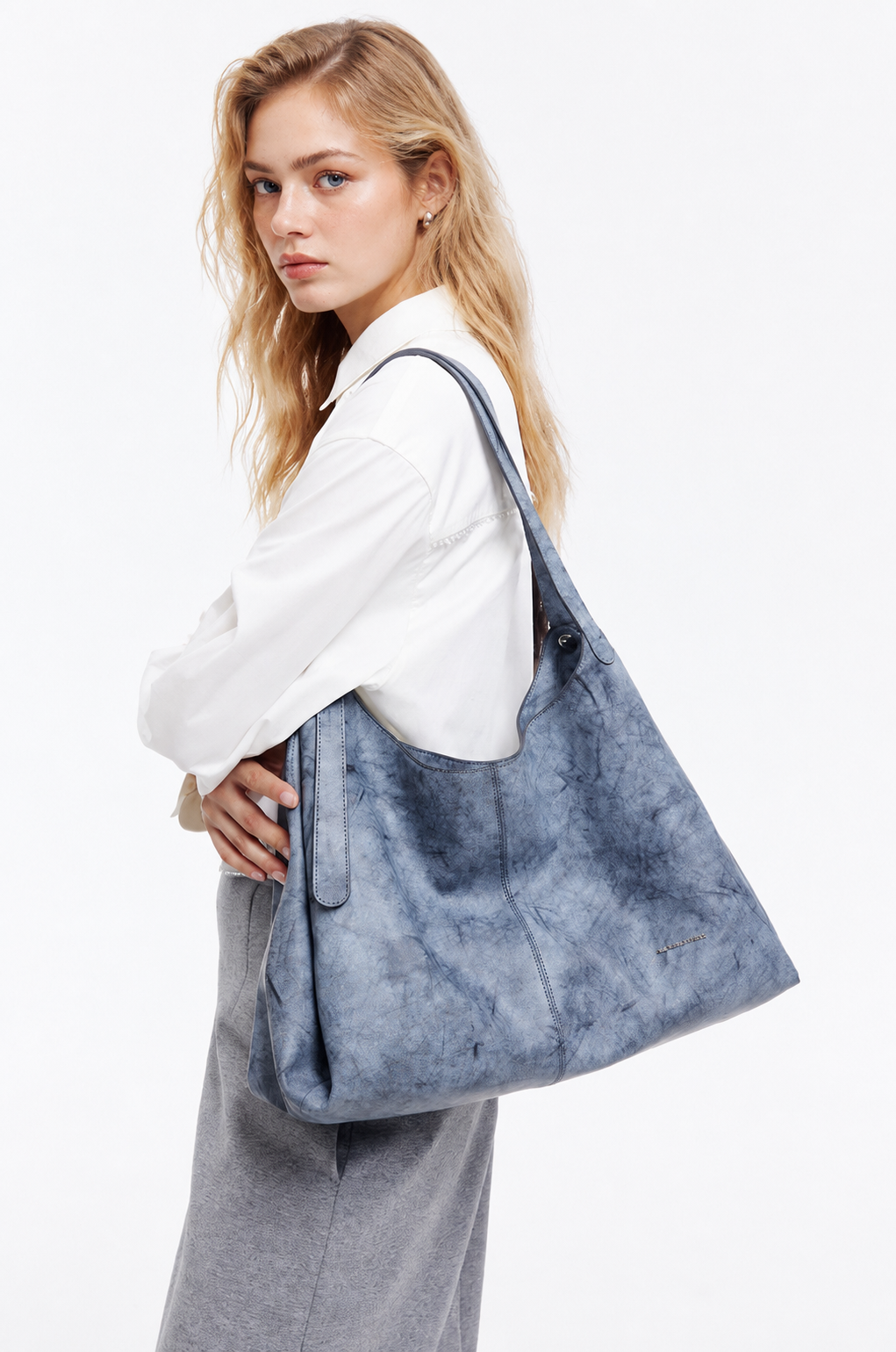
Si vous avez déjà cherché « sac hobo » et pensé, Attendez… n’est-ce pas juste un sac à bandoulière ?—vous n’êtes pas le seul. « Hobo » est une silhouette spécifique, et une fois que vous en connaissez les caractéristiques, c’est l’un des styles de sac les plus faciles à repérer (et l’un des plus confortables à porter).
La définition courte : qu’est-ce qui fait d’un sac hobo un sac hobo ?
Un sac hobo est un sac à bandoulière défini par une forme douce et courbée (souvent en croissant/demi-lune) et un corps non structuré ou légèrement structuré qui s’affaisse et se drape contre votre flanc.
Les détaillants de mode comme Charles & Keith décrivent les sacs hobo comme étant généralement non structurés, avec une silhouette incurvée qui peut se plier ou s’affaisser légèrement et qui offre beaucoup d’espace pour un usage quotidien (voir leur Guide des sacs Hobo).
Les 4 caractéristiques qui distinguent un sac hobo d’un « simple » sac à bandoulière
La plupart des sacs à bandoulière partagent la même fonction (reposer sur votre épaule, contenir vos essentiels). Un sac hobo se distingue par sa conception et sa façon de se porter.
1) Silhouette : courbée, pas anguleuse
Un hobo classique se présente en croissant/demi-lune. Vu de côté, il présente généralement une légère courbe plutôt qu’une ligne droite au-dessus.
2) Structure : il est fait pour s’affaisser
Les sacs hobo sont généralement souples—ils ne conservent pas une forme parfaitement droite seuls. Cet affaissement est le but : il crée un look décontracté et donne l’impression que le sac bouge avec vous.
Conseil de pro : Si un sac a l’air impeccable et droit même lorsqu’il est vide, ce n’est probablement pas un hobo classique, mais plutôt une besace ou un sac à bandoulière structuré.
3) Hauteur de bandoulière : conçu pour être porté confortablement à l’épaule
Les sacs hobo ont généralement une seule bandoulière avec une hauteur confortable (pas la bandoulière très courte « nichée sous le bras »). Le sac a tendance à s’asseoir légèrement plus bas et à plat contre votre corps.
4) Ouverture : généralement plus sécurisée qu’un cabas ouvert
De nombreux sacs hobo utilisent une ouverture zippée, magnétique ou à cordon de serrage—quelque chose qui empêche vos affaires d’être totalement exposées tout en étant facile d’accès.
Sac hobo vs autres styles de sacs à bandoulière (comparaison rapide)
Utilisez ce tableau lorsque vous parcourez les photos de produits et que vous essayez de nommer correctement la silhouette.
Style |
Son aspect |
Comment il se comporte |
Idéal pour |
|---|---|---|---|
Hobo |
Croissant/demi-lune souple ; lignes décontractées |
S'affaisse ; épouse votre corps |
Confort quotidien, tenues décontractées à élégantes |
Cabas |
Plus haut/rectangulaire ; souvent ouvert sur le dessus |
Reste plus droit ; conçu pour la capacité |
Transport pour le travail, voyages, « j'emmène tout » |
Baguette |
Long et fin ; porté haut |
Généralement plus structuré et compact |
Sorties, essentiels légers, looks très mode |
Saddle |
Rabat incurvé à l'avant ; ambiance équestre |
Plus structuré ; le rabat est une signature |
Élégance décontractée, pièce maîtresse d'une tenue |
Seau |
Plus vertical ; énergie du cordon de serrage |
Maintient mieux sa forme qu'un hobo (souvent) |
Capacité + style ; idéal pour le jour et la nuit |
Sac croissant |
Silhouette en croissant, mais plus nette |
Souvent plus élégant/moins affaissé qu'un hobo |
Transport minimaliste quotidien, charges légères |
Choisissez un sac hobo si vous aimez cette ambiance (et ne le choisissez pas si ce n'est pas le cas)
Sac hobo vs cabas
Un cabas est généralement plus droit et rectangulaire, conçu pour transporter plus d’affaires (ordinateur portable, bouteille d’eau, couches supplémentaires) et a souvent un dessus plus ouvert. Un sac hobo est plus incurvé et plus souple, conçu pour se draper contre votre flanc.
Sac hobo vs baguette
Une baguette est typiquement longue, fine et portée haut sous le bras—plus « compacte pour sortir ». Un sac hobo est généralement plus spacieux avec une retombée plus douce, conçu pour le mouvement quotidien.
Sac hobo vs sac seau
Les sacs seau ont tendance à être plus verticaux et utilisent souvent une fermeture à cordon de serrage. Les hobos ont généralement une forme plus en croissant/horizontale et sont moins « hauts », avec un affaissement qui s’étale confortablement contre le corps.
Sac hobo vs sac croissant
Les sacs croissant et les sacs hobo peuvent se ressembler au premier coup d’œil. La différence est généralement la structure : de nombreux sacs croissant sont plus élégants et conservent mieux leur forme, tandis que les sacs hobo sont typiquement plus souples et plus enclins à s’affaisser.
Un sac hobo est fait pour vous si…
Vous voulez un sac confortable pour être porté toute la journée.
Vous aimez une silhouette qui a l'air détendue, pas rigide.
Vous transportez un peu plus que le strict minimum (téléphone, clés, portefeuille, plus quelques extras).
Vous voulez un look « sans effort » sans être informe.
Vous préférerez peut-être un autre style de sac à bandoulière si…
Vous avez besoin que votre sac tienne droit et reste organisé (optez pour des cabas ou des sacs à bandoulière structurés).
Vous aimez un ajustement serré sous le bras et une petite silhouette (sac baguette).
Vous voulez une forme audacieuse avec un rabat (sac selle).
Vous voulez une forme verticale qui peut contenir plus d'articles sans être large (sac seau).
Comment identifier un vrai sac hobo lors de vos achats en ligne
Les listes en ligne peuvent être confuses — les marques qualifient parfois de « hobo » tout ce qui a une bandoulière. Voici les vérifications les plus simples.
Vérification 1 : s’affaisse-t-il quand il n’est pas rempli ?
Regardez des photos où le sac n’est pas plein. Un hobo a typiquement un drapé souple plutôt que des bords nets.
Vérification 2 : cherchez la « ligne courbe »
Même lorsqu'il est porté, le bord extérieur présente généralement une courbe notable. Si la ligne supérieure est droite et les coins sont nets, ce n'est probablement pas un hobo.
Vérification 3 : assurez-vous que la sangle convient à vos trajets
En ville, le confort de la bandoulière est important. Recherchez :
une longueur de bandoulière suffisante pour reposer sur votre épaule sans remonter
une ajustabilité (si vous aimez changer la façon dont il se porte)
une forme qui ne se bat pas avec votre manteau ou votre blazer
Vérification 4 : ne négligez pas la fermeture
Les hobos allient souvent « accès facile » et « pas totalement ouvert ». Si vous portez votre sac dans le train ou dans des endroits bondés, privilégiez une fermeture éclair ou un dessus sécurisé.
Un exemple concret : explorez les silhouettes hobo d'Amazing Song
Si vous voulez voir à quel point la silhouette hobo peut être flexible—du classique affaissement aux interprétations plus sculptées—parcourez la collection de sacs hobo d'Amazing Song. C'est un moyen facile d'entraîner votre œil à reconnaître ce qui fait qu'un hobo ressemble à un hobo.
Si vous êtes curieux de savoir comment un style peut flirter avec d'autres silhouettes (comme les sacs seaux), Amazing Song explique également l'idée dans La polyvalence du sac hobo Cloud.
FAQ : les différences des sacs hobo
Un sac hobo est-il toujours grand ?
Pas toujours. De nombreux hobos sont spacieux, mais « hobo » est avant tout une question de forme et de structure (courbe + souple), et non de taille.
Un sac croissant est-il la même chose qu'un sac hobo ?
Ils se chevauchent. De nombreux sacs hobo sont en forme de croissant, mais les sacs croissant sont souvent plus épurés et plus structurés, tandis que les sacs hobo sont généralement plus souples et plus affaissés.
Un sac hobo peut-il être élégant ?
Oui, surtout dans des matériaux de qualité supérieure et avec des designs plus épurés. La clé est une finition plus raffinée et une longueur de bandoulière qui se positionne bien sous le bras ou à la hanche.
Prochaines étapes
Si vous voulez un sac à bandoulière quotidien qui ait l'air intentionnel mais qui soit facile, un hobo est difficile à battre. Commencez par choisir votre taille et votre style de fermeture préférés, puis explorez quelques silhouettes pour voir ce qui correspond à votre routine quotidienne.
Vous voulez des exemples que vous pouvez acheter tout de suite ? Commencez par la collection de sacs hobo d'Amazing Song, puis comparez-la côte à côte avec votre sac à bandoulière préféré actuel.