


Why Genuine Leather Bags Are So Expensive (Explained)
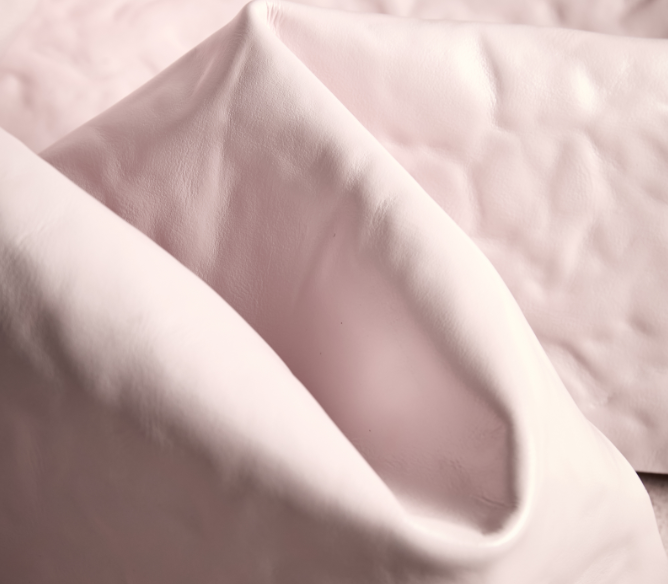
You’ve seen it: one bag is $60, the next is $260, and both look “leather-ish” in photos.
So what are you actually paying for?
If you’re deciding between genuine leather vs faux leather, the price gap usually comes down to three things: material economics, labor, and how the bag ages (or fails). This guide breaks those down in plain English—and gives you a quick framework to decide when to pay more and when not to.
The real reason why genuine leather bags are so expensive
A genuine leather bag typically costs more because:
The raw material is costlier and less uniform. Real hide has natural variation, scars, and usable-yield limits. Synthetic “leather” is made as consistent sheets.
The processing is complex. Leather must be tanned and finished to become durable, flexible, and colorfast.
Quality construction costs money. Stitching, edge finishing, lining, and hardware add up fast.
You’re buying time. Good leather usually wears in; faux leather often wears out.
For a quick consumer comparison of what changes as you move from faux to real, Radley London’s guide to “faux leather vs real leather” lays out the basic differences buyers feel day-to-day.
Material costs: hide selection + usable yield (why “good leather” is scarcer)
Here’s the part nobody puts in the Instagram caption: leather isn’t made in perfect rectangles.
A hide is a natural material. That means:
Not every area is equally usable. Some sections are stronger and tighter-grained; others stretch more.
Real leather varies from hide to hide. Matching panels for a clean-looking bag takes sorting and selection.
Higher grades often mean more waste (or more sorting). You’re paying for the curation, not just the square footage.
Meanwhile, faux leather (PU/PVC) is manufactured as a sheet. It’s easy to cut with minimal waste, which keeps costs down.
If you want a simple explanation of the “sold by the hide vs sold by the yard” economics, Sailrite’s 2026 overview—“Real Leather vs. Faux Leather”—is a useful lens.
Processing costs: tanning, finishing, and why it matters for wear
Leather doesn’t start out “bag ready.” It has to be stabilized so it won’t rot, stiffen, or crack.
That’s where tanning and finishing come in. The short version:
Tanning turns raw hide into durable leather.
Finishing affects the look (matte vs glossy), feel (soft vs structured), and how it handles water, scuffs, and color transfer.
This is also why you’ll see price differences within genuine leather.
For example, many shoppers are deciding between full-grain, top-grain, and split leather. If you want that breakdown before you buy, Amazing Song has a clear explainer on full-grain vs top-grain vs split vs corrected-grain leather.
Pro Tip: If a listing just says “genuine leather” with no grain type, treat it like a yellow flag—not an automatic deal-breaker. Look for the rest of the proof: stitching, edge finishing, hardware, lining, and a real return policy.
Craft and construction: where “cheap” shows up first
When two bags look similar online, construction is often the hidden difference.
Here’s what tends to separate a bag that lasts from one that slumps, squeaks, or sheds hardware after a season.
Stitching and stress points
High-wear areas tell the truth:
strap attachments
handle bases
corners and bottom panels
zipper ends
Look for tight, even stitching and reinforcement where the load hits.
Edge finishing (yes, it matters)
Edge paint or folded edges take time. On cheaper bags (real or faux), edges are where you’ll see:
cracking
peeling
sticky texture
uneven finishing
Hardware quality
Hardware isn’t just aesthetic.
Many bags use zinc-alloy hardware (including styles listed in Amazing Song’s Ace Collection). The quality difference often comes from plating, weight, and how the hardware is attached, not just the base metal.
Lining and interior build
A sturdy lining and clean interior seams prevent the “bag looks great but feels flimsy” problem.
Also: interior organization isn’t fluff. If you’re carrying your life across a city, pockets and structure help the bag keep its shape.
Longevity math: cost-per-wear (and how faux leather usually fails)
Let’s make it unsexy and practical.
A $260 bag that lasts 5 years can be cheaper per wear than a $70 bag you replace every year.
That’s why “is genuine leather worth it” is often a lifespan question—not a vibes question.
Common faux leather failure modes:
coating peels
surface cracks, especially on corners and folds
heat and friction speed up breakdown
Meanwhile, a well-made leather bag often shows wear as:
softening and molding to use
minor scuffs that can be conditioned or polished
patina (a lived-in look, if you like it)
Dooney & Bourke makes a straightforward durability argument in their 2025 post on “vegan leather vs genuine leather”, including the core idea that genuine leather can last 10–30+ years with proper care.
Key Takeaway: If you want one “main character” bag you’ll carry for years, genuine leather is often the better bet. If you love swapping colors and silhouettes constantly, faux leather can be the smarter spend—because you’re optimizing for variety, not longevity.
Repairability: what can be fixed (and what can’t)
Repair is the most underrated part of the price gap.
With genuine leather, you can often:
condition away dryness
polish out minor scuffs
restitch a seam
replace a zipper pull or hardware
With faux leather, once the coating starts peeling or cracking, there’s rarely a clean fix that looks good.
So you’re not just paying for durability—you’re paying for recoverability.
Ethics + environment: the honest tradeoffs (no sermons)
There isn’t a one-word winner here.
Leather has real environmental impacts in livestock supply chains and in tanning/finishing.
Faux leather avoids animal materials but is typically plastic-based, which raises longevity and waste concerns.
The practical move—if you care about impact—is usually:
buy fewer, better pieces
choose materials you’ll actually use for years
prioritize transparent product descriptions (so you know what you’re buying)
Is it worth it? A quick decision framework
Here’s a simple way to decide in 60 seconds.
Pay more for genuine leather when…
you want a daily bag that needs to hold shape (or soften beautifully without falling apart)
you’re hard on your bags (commuting, travel, all-day carry)
you care about repairability and cost-per-wear
you want texture that looks better the more you use it
Faux leather is totally fine when…
you want a trend piece for a season
you’re experimenting with a new silhouette
you’re building a color wardrobe and swapping often
you want low-maintenance wipe-clean ease
Red flags (real or faux)
no clear material description beyond “genuine” or “premium”
unclear or hidden return policy
no weight/dimensions (especially if you’re sensitive to heavy bags)
product photos that never show the bag open or on-body
How to verify quality when shopping online (what to look for on the product page)
This is where decision-stage buyers win.
Before you checkout, scan for these specifics:
1) The exact leather type
Look for language like:
top-grain cowhide leather
split leather
suede
vegan leather (PU)
On Amazing Song, the Ace Collection includes listings that specify materials like top-grain cowhide leather and also includes a vegan leather option—use that level of detail as your baseline expectation, not a nice-to-have.
2) Hardware material and finish
You don’t need “solid brass” to have a great bag, but you do want:
hardware material listed
clear close-up photos
details on tone (gold/silver) so you can match jewelry and belt hardware
3) Lining and interior organization
A good listing tells you what’s inside. Bonus points for:
pocket count
laptop sleeve / compartments
zipper vs open top
4) Weight and carry comfort
If weight is listed, take it seriously.
A bag can look compact and still feel heavy after three hours.
5) Returns (because confidence is part of value)
A higher price feels a lot easier to commit to when the return policy is clear.
Amazing Song outlines returns and exchanges on their FAQs page, including a 30-day request window with proof of purchase (and a note that sale items aren’t eligible). Use this as a checklist item whenever you’re comparing brands.
FAQ
How long does faux leather last?
It depends on the coating and how you use it, but faux leather tends to fail faster because the surface layer can crack or peel at stress points (corners, folds, strap attachments). If you’re carrying it daily, expect wear to show sooner than on a good leather bag.
Is PU leather vs genuine leather a fair comparison?
Yes—because many “vegan leather” products are PU-based. The key difference is that PU is a synthetic coating, while genuine leather is a natural material with different aging and repair behavior.
Does “genuine leather” always mean high quality?
No. “Genuine leather” is a broad label. It can include different grades and finishes. Treat it as the beginning of the story, then look for specifics (grain type, construction, return policy).
What’s the best leather for a bag that has to last?
Generally, higher-quality grain structures (often full-grain or well-finished top-grain) tend to age better. But construction matters just as much—stitching, edges, and hardware are where bags usually fail first.
Next steps: buy smarter, not louder
If you’re shopping for a leather bag and want product pages that actually spell out materials, it’s worth browsing a curated collection that lists leather types clearly.
Start with Amazing Song’s Ace Collection for top-grain and cow-grain leather options, then explore more buyer-friendly guides in the Fashion Guide to match leather type, structure, and silhouette to your day-to-day.