


Durable Leather Tote Bag: How to Choose One That Lasts
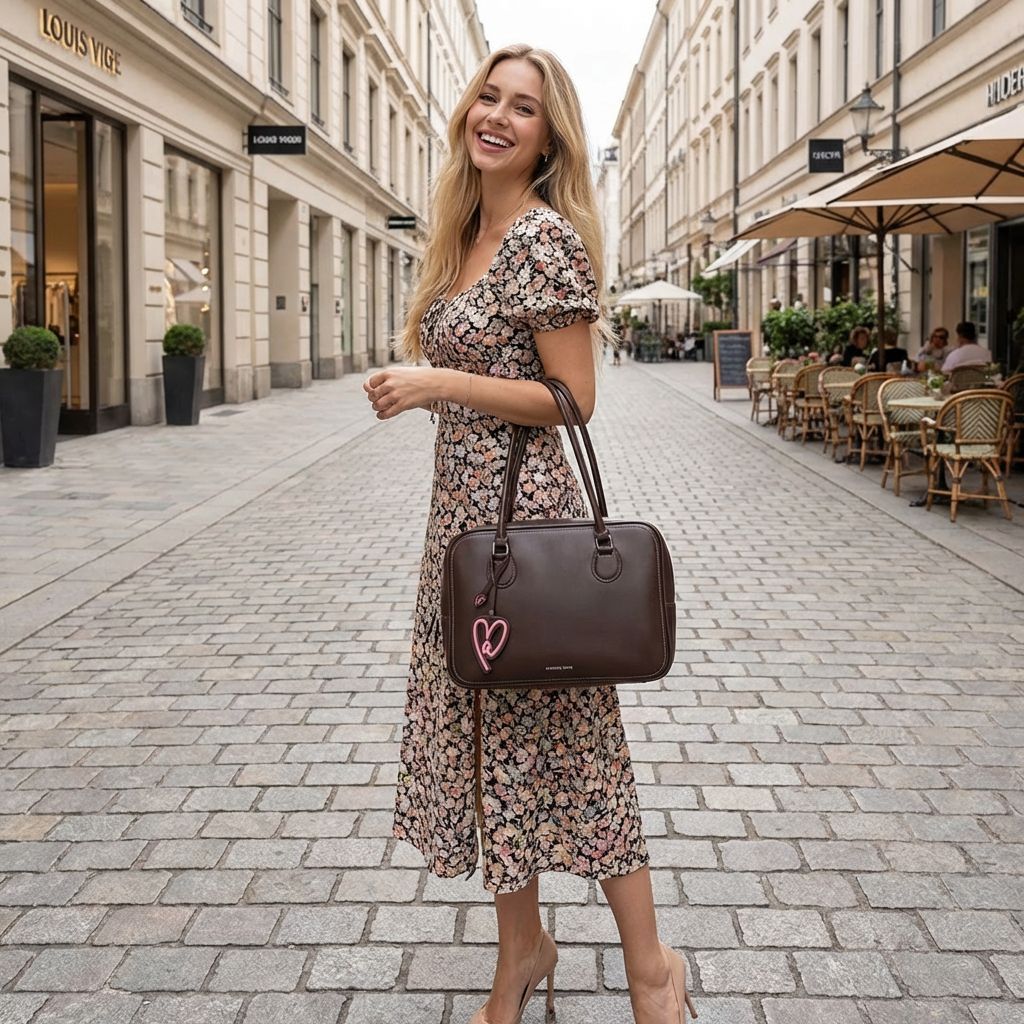
If you’re shopping for a leather tote bag for everyday use, don’t get hypnotized by “genuine leather” labels and pretty product photos.
A tote usually fails in the same unglamorous places: handle bases, corners/edges, hardware, and lining. So the fastest way to buy well is to run a quick durability scan, then choose a tote built for your daily load.
Durable leather tote bag deal-breakers (scan in 60 seconds)
Before you fall for the color or silhouette, do this quick scan. It catches the most common failure points.
The 60-second durability scan (use this before you buy)
This works whether you’re in a store or zooming in on product photos.
1) Handle attachments (the #1 stress zone)
Look for a wide attachment base, reinforcement stitching, or hardware that spreads load. If handles look like they’re stitched onto a single thin tab with no reinforcement, that’s where the bag will eventually tear.
2) Stitching you can trust
You want straight lines, evenly spaced stitches, and no loose thread ends—especially at the handle base and bottom seams.
3) Edges + corners that won’t quit
Corners scuff first. Edges crack first. If edge paint looks thick and plasticky out of the box, it’s more likely to split later. Cleanly finished, neatly turned, or well-sealed edges tend to age better.
Pro Tip: When you only have 10 seconds, check the handle base and the bottom corners—not the front logo shot.
4) Hardware that won’t become your problem
Hardware is a common failure point even when the leather itself could last for years. Prioritize secure closures and solid-feeling metal hardware over decorative pieces.
5) Lining + interior structure
A durable tote isn’t just “nice leather.” The inside should be stitched cleanly, sit flat, and feel substantial enough to handle keys, chargers, and sharp corners.
How to choose a leather tote bag: match it to the “job”
Before you pick leather grade or color, decide what your tote is doing most days:
Work commute: laptop-safe, zip closure, pockets that stop your stuff from becoming a black hole.
Heavy carry: reinforced handles + sturdy base, built for water bottles, books, groceries.
Light carry: comfort first—lighter feel on the shoulder, still strong at stress points.
When a tote’s design matches its job, it lasts longer because the stress is distributed the way it was designed for.
Full-grain vs top-grain leather tote (and why “genuine” can mislead)
Here’s the buyer-safe version:
Full-grain leather: generally the toughest because it keeps the strongest outer layer of the hide intact. It also develops character over time. Dooney & Bourke notes that full-grain leather bags can last 30+ years with proper care.
Top-grain leather: still high quality, usually sanded/finished for a smoother look. It can wear well, but it typically gives up a bit of raw toughness compared with full-grain (Carl Friedrik’s guide explains top-grain vs full-grain leather differences).
“Genuine leather”: legally real leather, but often a vague label. If a brand won’t specify the cut/grade, assume you’re trading longevity for a lower price.
Key Takeaway: Construction beats the label. A well-built top-grain tote can outlast a poorly built “full-grain” one.
The best leather tote bag for work (and two other daily-use picks)
This isn’t about chasing the fanciest tote. It’s about choosing a bag that’s built for how you actually live.
Pick 1: Work + laptop days — structured, zip-top, organized
If you carry a laptop, you want three things: structure, organization, and a closure.
A strong example is Amazing Song’s Berry Tote Bag - Top Grain Leather, which is described with top-grain leather, a zip closure, and laptop/organization compartments—the kind of features style editors often call out as everyday work-tote essentials (Business Insider highlights zip closures and interior organization).
Best for: commute, office days, business travel.
Pick 2: Heavy daily carry — comfortable strap drop + reinforced build
If your tote regularly hauls “life stuff” (water bottle, sweater, planner, lunch), the bag needs to resist sagging and the straps need to stay happy under load.
Amazing Song’s Donut Tote Bag lists cowhide/second layer cowhide, zinc alloy hardware, and an adjustable strap height (28–51 cm)—useful when you switch between shoulder carry and hand carry.
Best for: longer days, heavier carry, “one bag for everything.”
Pick 3: Light carry — choose lighter on purpose
If you’re on foot a lot, weight matters. A lighter tote you actually carry beats a heavy tote that lives in your closet.
If your priority is all-day comfort, consider a lighter tote option (even fabric) for walking-heavy days—and keep your leather tote for when you want that structured, polished look.
Make your tote last longer (without babying it)
A few habits make a bigger difference than fancy products:
Don’t overload the same way every day. If your tote always carries a laptop on one side, it’ll slouch there first.
Keep corners off the ground when you can.
Condition occasionally, not constantly. Leather that dries out cracks sooner; over-conditioning can make a bag too soft and saggy.
Spot-test protectants. If you’re using sprays, do a small test first—Amazing Song’s guide echoes the same logic: spot check before full application.
Next step
Shortlist two totes, run the 60-second scan, and pick the one that’s built best at the handle base + corners. If you want a style-forward tote that still earns its keep Monday through Sunday, start with Amazing Song’s tote selection (linked earlier) and choose the model that matches your tote “job.”
FAQ
Is full-grain always the most durable choice?
Not automatically. Full-grain leather is often stronger, but durability is also about handles, stitching, edges, lining, and hardware.
What’s the biggest red flag when buying online?
Vague specs. If the listing won’t tell you the leather type (or at least the cut), closure, lining, and dimensions, it’s hard to judge whether it’s built for real daily use.