


Tote Bag for Women: How to Compare Features Before You Buy
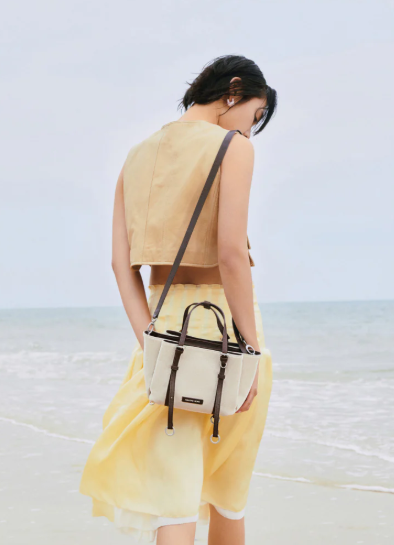
If you’re shopping for a tote bag for women, you’re not looking for “a big bag.” You’re trying to find the one that can handle your actual day—commute, laptop, errands, dinner—without feeling like you’re carrying a brick.
This is a consideration-stage guide. No hype, no endless “top 10” list. Just a clean framework to compare features and choose confidently.
Tote bag for women: the feature checklist that actually decides it
When two totes look equally cute, these details are what make one bag a daily favorite and the other one you quietly stop using.
1) Size and capacity (the photo lies—dimensions don’t)
Start with the posted dimensions (length × height × depth). Then sanity-check them against your non-negotiables:
phone + wallet + keys
sunglasses case
water bottle
pouch (makeup/tech)
laptop/tablet (if you carry one)
If a product page doesn’t give dimensions, you’re guessing. And guessing is how people end up returning bags.
2) Strap drop and comfort (your shoulder is the final judge)
A tote can be beautiful and still be miserable.
Check:
strap drop works with a coat or blazer
straps are wide enough for weight days
the tote sits at a height you like (not too high, not thigh-level)
If you walk a lot or take public transit, comfort matters as much as style.
3) Closure and security (city-proofing)
Open-top totes are easy—until you’re on a crowded train.
Think through your routine:
If you commute or travel: a top closure is worth prioritizing.
If you’re in and out all day: easy access might matter more than maximum security.
4) Weight (the hidden deal-breaker)
Weight doesn’t look like anything in photos, but it changes your whole day.
If you carry a laptop, the bag can’t start heavy before you even add your stuff.
Wirecutter’s testing-based criteria for women’s work bags puts comfort and usability alongside capacity and durability—because a bag that “technically fits” isn’t useful if it’s exhausting to carry (Wirecutter’s work-bag guide).
5) Women's tote bag features (the quick reality check)
Be honest about what you need most days.
If you’re a “toss it in” person, too many pockets can feel annoying.
If you hate rummaging, look for a divider, sleeve, or at least a secure pocket.
Match the tote style to your life (not your mood board)
Work tote bag for women
You want structure and quick access.
Prioritize:
dimensions you can trust
a shape that doesn’t slouch instantly
some level of organization (sleeve/pockets)
Everyday city tote
This is your “goes with everything” bag.
Prioritize:
comfortable shoulder carry
medium-to-large capacity
a silhouette that looks intentional even with casual outfits
Travel tote
Airports and weekend trips demand toughness.
Prioritize:
spacious interior
strap comfort under load
closure/security (especially if you’re carrying passport/wallet)
Statement tote
If the tote is part of the outfit, the silhouette matters.
Prioritize:
proportions that feel designed (not just oversized)
distinctive shape or hardware
material that holds the look
How to compare tote bags online (fast, without regret)
Step 1: write your “daily carry” list
Do it once. Use it forever.
Step 2: compare dimensions like you’re comparing shoes
You wouldn’t buy shoes with no size listed. Same logic.
Step 3: look for proof the brand understands real life
Good product pages usually include the details that remove doubt: materials, hardware, dimensions, sometimes weight.
For example, the Amazing Song tote bags collection includes product pages that call out specifics like materials and dimensions across multiple styles—exactly what you need when you’re deciding between “this looks roomy” and “this fits my day.”
(Quick note: this is a neutral example of what to look for in a product listing—not a recommendation.)
Materials: what lasts, what’s light, and what shows wear
Leather tote bag for women: structure and longevity
If you want a tote that holds its shape and looks polished, leather is usually the move.
Look for:
clear leather type (avoid vague “genuine leather” with no detail)
reinforced strap attachment points
hardware that’s specified (so you’re not guessing quality)
Fabric / water-resistant options: lighter, easier days
If you’re commuting in weather or you just hate heavy bags, fabric can be the smarter daily choice.
Look for:
clear fabric type (and whether it’s treated for water resistance)
stitching quality (zoom in)
a base that won’t collapse the moment you set it down
Red flags that should make you pause
No dimensions listed (you’re gambling)
No interior photos (you can’t assess organization)
No closure detail (you don’t know how secure it is)
No clear return window (risk goes up fast)
If you’re buying online and you’re even slightly unsure about size, always check the return terms before you hit checkout.
As one example, Amazing Song’s refund policy (15-day return window) spells out the return timeframe and how to initiate a return request—details that reduce decision anxiety when you’re comparing options.
Choose your tote in 3 questions
Do you carry a laptop most days?
Yes → prioritize dimensions + structure + organization.
No → prioritize comfort + styling versatility.
Do you walk a lot or take public transit?
Yes → prioritize closure/security + strap comfort + manageable weight.
Is this tote mainly function or mainly outfit?
Mainly function → choose based on capacity, comfort, and layout.
Mainly outfit → choose based on silhouette, proportions, and material finish.
Next step
Pick two totes you like, then run them through the checklist: dimensions, straps, closure, weight, interior, return window. The “right” tote becomes obvious when you compare based on your real day—not the product photo.
If you want an easy way to keep browsing with less guesswork, start with brands that show clear specs and interior details (including dimensions and materials) so you can compare apples to apples.